Learning how to insure a classic car requires a completely different approach than buying standard auto insurance. Classic, vintage, and collector vehicles carry historical value, unique market appreciation, and rare replacement parts that standard actual cash value policies simply do not cover. Whether you own a restored muscle car, a vintage roadster, or an imported collectible, understanding how to insure a classic car correctly guarantees full financial protection against theft, loss, and transit damage.
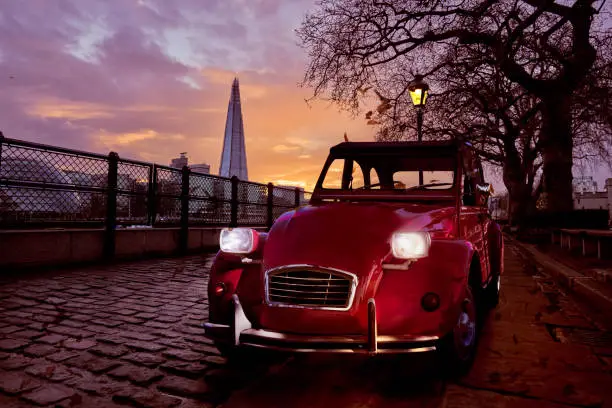
Collector car insurance
Collector cars are old or rare. Its value varies in the market. Collector car insurance is given according to its actual worth. The company inspects the car and decides the value. Insurance proof is helpful if you sell your collector car. The collector car is mostly used in shows and events. All these should be covered in the policy. Which companies impose mileage limits for these types of cars? If you do not drive the car daily, you may get a lower rate.
What to look at before buying a policy
You must evaluate several key factors before selecting an insurance provider. First, verify the company’s direct experience with classic and collector vehicles. Additionally, compile detailed vehicle photos, restoration documentation, and maintenance records before applying. Ensure the policy includes robust protection against theft and physical damage.
Appraisal Reports and Vehicle Usage
Obtaining a professional appraisal report is another essential step. This certified document establishes your vehicle’s true market value for the insurer.
Furthermore, clearly define how you intend to use the car. If you drive the vehicle exclusively for special events or car shows, inform your insurance agent immediately. Declaring limited vehicle usage lowers your premium while keeping your coverage active and effective.

- Popular Coverage Options
Certain coverage options are crucial in classic and collector car insurance. Taking these options can protect you from financial loss. Such cars have both sentimental and market value. Therefore, it is important to get special protection for them. Regular auto insurance does not cover these cars. You need a tailored policy that understands just the needs of a classic car. Some key options are explained here, which you should check while selecting a policy.
- Agreed Value Coverage
Under this option, both you and the insurer agree on a fixed vehicle value. If a total loss occurs, the company pays you the agreed amount. Market value fluctuations will not affect your payout.
This option works best for vehicles with fixed appraisal values. Collectors often restore cars themselves at a high personal expense. With agreed value coverage, you recover the full financial investment of your restoration.
Traditional policies pay actual cash value only after deducting for depreciation. In contrast, an agreed value policy factors in your vehicle’s rare and classic status.
- Spare Parts Coverage
Local suppliers rarely stock classic car parts. Replacing a rare component after an accident creates high out-of-pocket costs. Therefore, carrying spare parts coverage protects your wallet.
Most insurers provide parts coverage up to a set financial limit. Buying this protection matters even more if you import your engine or body parts.
Under this policy, you can specify high-risk parts to guarantee complete protection. This coverage provides vital financial support while you restore your vehicle.
Extra Features Include:
- Towing and roadside help are in accordance with classic vehicle standards.
- Coverage is also available during the restoration phase.
Occasional Use Policy
Classic and collector cars are not driven daily. They are used for special shows or events. Therefore, it is beneficial to have an occasional use policy. Such policies define an annual mileage limit. If you use the car for a limited purpose, the premium is reduced. Companies also look at where you store the car. Garage storage proof can make the premium even lower. If your car is parked outdoors, the risk of theft is higher and the premium is increased.
Policy Requirements May Include:
- Proof of limited use to show attendance
- Secure garage storage and anti-theft features

The occasional use policy also provides protection during maintenance. If you are taking the car to the mechanic and any damage occurs, the policy covers it. But you have to declare beforehand for what purpose the car is being used. Many companies also demand trip logs in which distance and date are written.
Show Events Ki Coverage
Many people keep classic cars only for shows. The car is displayed at such events. People admire it. Many shows also give awards. Insurance companies provide extra coverage for such events. You have to ensure that it is covered under the event policy. If the event is official, the claim process is simple. You have to show the event details and the car’s entry form to the company.
Some policies also cover transportation damage. When you take the car in a trailer, there is a risk of scratches or dents. Special show coverage handles this risk. You should also keep a photo record of the parts inside the car. Many people file damage claims after the events. If there is no record, then the company can deny the claim. It should be mentioned in the policy that the car is in show condition.
Protection of damage and theft
Classic vehicles carry high market values, which significantly increases their theft risk. Therefore, your policy must include strong theft and physical damage protection.
Replacing stolen engines or rare body panels creates difficult claims and high out-of-pocket costs. To avoid claim delays, add a complete spare parts list to your policy and store proof of every valuable component, including receipts and detailed photographs.
Garage Security and Security Devices
Insurers evaluate your security measures when setting monthly premiums:
- Security Systems: Inform your insurance provider if your vehicle uses an aftermarket alarm or specialized steering lock.
- Garage Infrastructure: Installing smart locks or CCTV cameras in your garage provides extra protection and lowers overall risk.
- Street Parking Risks: Parking your classic vehicle on public streets increases theft risks and leads to higher policy premiums.
Along with theft protection, carry full liability and collision coverage to safeguard your investment if another driver damages your vehicle.
Why You Must Get a Professional Appraisal
Standard market guides cannot accurately determine the true value of a classic car. Therefore, hiring a certified independent appraiser is an essential step when you insure a classic car.
An appraiser evaluates your vehicle’s physical condition, restoration quality, paint work, engine status, and historical background to estimate its true worth. Most specialized insurance companies require this report before approving coverage limits or processing total-loss claims.

Coverage Tips
These simple tips can be helpful in choosing insurance:
- Definitely check out the company’s classic car experience.
- Agreed value coverage is a safer option.
- It is helpful to define limited use of the car.
- It is important to maintain a record of spare parts.
Agreed Value vs. Stated Value
There are two options in classic car insurance. First is an agreed value in which you and the company fix the worth of the car. Second is the stated value, in which you give an estimate and the company adjusts it at the time of claim. Agreed value is safer. You get as much as you write. In stated value, the company checks the market rate.

If the value is low in the market, then you get a lesser claim. Many people take stated value to save costs, but it becomes difficult at the time of claim. In agreed value, the premium is slightly higher, but you get peace of mind. You do not face any delay in the claim process. If your car is rare, then the agreed value is the best. You should get the agreed policy along with the appraisal report. This gives confidence to the company, and you also feel satisfied.
How much liability do you need?
The liability limit also plays a role in classic car insurance. If you damage someone, the liability protects you. Many states have a minimum liability fixed, but it is better to take a higher limit for a classic car. If someone gets hurt at an event or show, pay the policy.

The policy is also quite useful if a pedestrian or another car is affected. You should cover both property damage and bodily injury. Taking a limit higher than the minimum is secure in the long term. A high limit helps if there is a court case. Many people also take umbrella policies, which provide extra protection. If your car is expensive, the liability limit should also be strong. You should also consider your personal risk along with the legal requirements of your state.
Towing and Storage Coverage
Many classic cars break down. That is why it is important to get towing cover and it is one solid way on how to insure a classic car. It is better if you also get roadside help. Many policies cover towing for a limited number of miles. You should check that the towing limit is suitable for your location. The insurance rate is lower if the car is stored in a secure garage. The storage location policy should mention it. The risk of fire or flood should also be covered. If the car is kept in an open area, the risk of damage increases. It is useful to show proof of storage to the company. Details of the CCTV or lock system should also be given.
Conclusion
A classic car is an investment. It is every owner’s duty to keep it secure. Regular insurance does not protect a classic car. You need to take a special policy that covers the agreed value and rare parts. There should also be protection against theft and accidents. Show events or towing should also be covered. It is important to get an appraisal report and update it. The type and limit of the policy should be chosen carefully. Bullet point tips and the subheading section help you. Every car owner should insure his classic car in a legal and smart way. This is not just following a rule but a responsible step.